


Effective Mindfulness Exercises to Ease Anxiety
Anxiety can feel like a storm swirling inside your mind. It’s loud, relentless, and exhausting. But what if you could find a calm center? What if you could learn to ride the waves instead of being tossed around? That’s where mindfulness steps in. It’s not magic. It’s simple. It’s about tuning in, slowing down, and noticing what’s happening right now. Ready to try? Let’s dive into some effective mindfulness exercises that can ease anxiety and bring you back to peace.
Why Choose Effective Mindfulness Exercises?
You might wonder, “Why mindfulness? Why now?” Because mindfulness helps you pause when your mind races. It helps you breathe when your chest feels tight. It helps you see the moment clearly instead of getting lost in worries. These exercises are tools you can carry anywhere. At work, at home, or even on a noisy bus. They don’t take long. They don’t require special gear. Just your attention.
Here’s what mindfulness can do for you:
Reduce stress and anxiety
Improve emotional regulation
Enhance focus and concentration
Foster a deeper connection with yourself and others
Imagine feeling calmer, more grounded, and more in control. That’s the power of mindfulness.
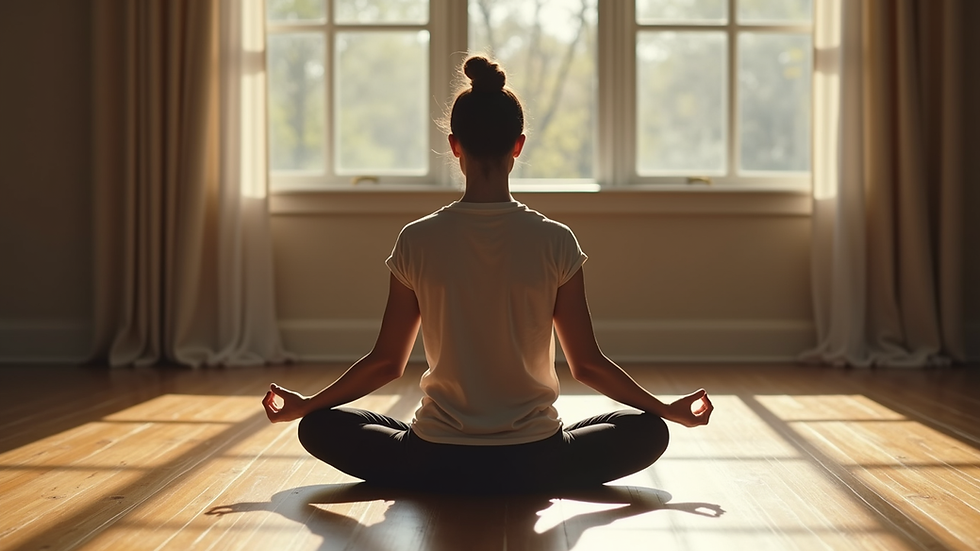
Simple Mindfulness Exercises You Can Start Today
Let’s get practical. You don’t need to sit for hours or clear your mind completely. Start small. Here are some easy exercises to weave mindfulness into your day.
1. The 5-4-3-2-1 Grounding Technique
This exercise helps you anchor yourself in the present moment by using your five senses. It’s perfect when anxiety feels overwhelming.
Look around and name 5 things you see.
Touch 4 things and notice their texture.
Listen for 3 different sounds.
Smell 2 scents nearby.
Taste 1 thing, even if it’s just the inside of your mouth.
This simple routine pulls you out of your head and into your body. Try it next time anxiety strikes.
2. Mindful Breathing
Breathing is your superpower. When anxiety hits, your breath often becomes shallow and fast. Mindful breathing slows it down and calms your nervous system.
Sit or lie down comfortably.
Breathe in slowly through your nose for 4 counts.
Hold your breath for 2 counts.
Exhale gently through your mouth for 6 counts.
Repeat for 5 minutes.
Focus on the sensation of air moving in and out. If your mind wanders, gently bring it back. No judgment. Just breath.
3. Body Scan Meditation
Your body holds tension, especially when you’re anxious. A body scan helps you notice where you’re holding stress and release it.
Lie down or sit comfortably.
Close your eyes and take a few deep breaths.
Slowly bring your attention to your feet. Notice any sensations.
Move your focus up your legs, hips, stomach, chest, arms, neck, and head.
If you find tension, breathe into it and imagine it softening.
This exercise connects you to your body and helps you relax deeply.

How to Make Mindfulness a Habit
You might think, “I don’t have time for this.” But mindfulness isn’t about adding more to your plate. It’s about being more in what you already do.
Try these tips:
Start small: 2-3 minutes a day is enough.
Set reminders: Use your phone or sticky notes.
Pair it with daily activities: Practice mindful breathing while waiting in line or mindful eating during meals.
Be patient: It’s normal for your mind to wander. Keep coming back.
Remember, mindfulness is a skill. The more you practice, the easier it gets.
Mindfulness in Everyday Moments
Mindfulness isn’t just about formal exercises. It’s about weaving awareness into your daily life. Here’s how:
Walking: Feel each step. Notice the ground beneath your feet. Sense the air on your skin.
Eating: Savor each bite. Notice flavors, textures, and the nourishment you receive.
Listening: Give your full attention to sounds or the person speaking.
Working: Take mindful breaks. Stretch, breathe deeply, reset your focus.
These moments add up. They create a calm rhythm in your day.
You can explore more mindfulness anxiety exercises to find what fits you best.
When to Use Mindfulness Exercises
Anxiety doesn’t wait for a perfect moment. It can show up anytime. That’s why mindfulness exercises are handy tools you can use:
When you wake up feeling overwhelmed
Before a stressful meeting or event
During moments of panic or racing thoughts
When you struggle to fall asleep
Anytime your mind feels cluttered or restless
Keep these exercises close. They’re your mental first aid kit.
Your Journey to Calm Starts Now
You’ve got this. Mindfulness is not about perfection. It’s about presence. It’s about kindness to yourself. When anxiety knocks, answer with awareness. When stress builds, respond with breath. When your mind wanders, gently guide it home.
Try these exercises today. Feel the difference. Notice the calm. And remember - every moment is a chance to start fresh.
Breathe in. Breathe out. Be here now.


Comments