

•Healing Out Loud: Honoring Silent Battles and the Power of Our Stories
Updated: Jul 20
Healing is often seen as a private journey, a quiet process we endure alone. Yet, many of us carry silent battles that shape our lives in profound ways. These struggles—whether with mental health, trauma, loss, or personal growth—often go unspoken, leaving us feeling isolated. But what if healing could be a movement, a commitment to speak out loud, honor every silent battle, and show up for ourselves and each other? Your story matters. Your healing matters. And your presence is powerful.
This post explores the importance of healing out loud, the strength found in sharing our stories, and practical ways to support ourselves and others on this path.

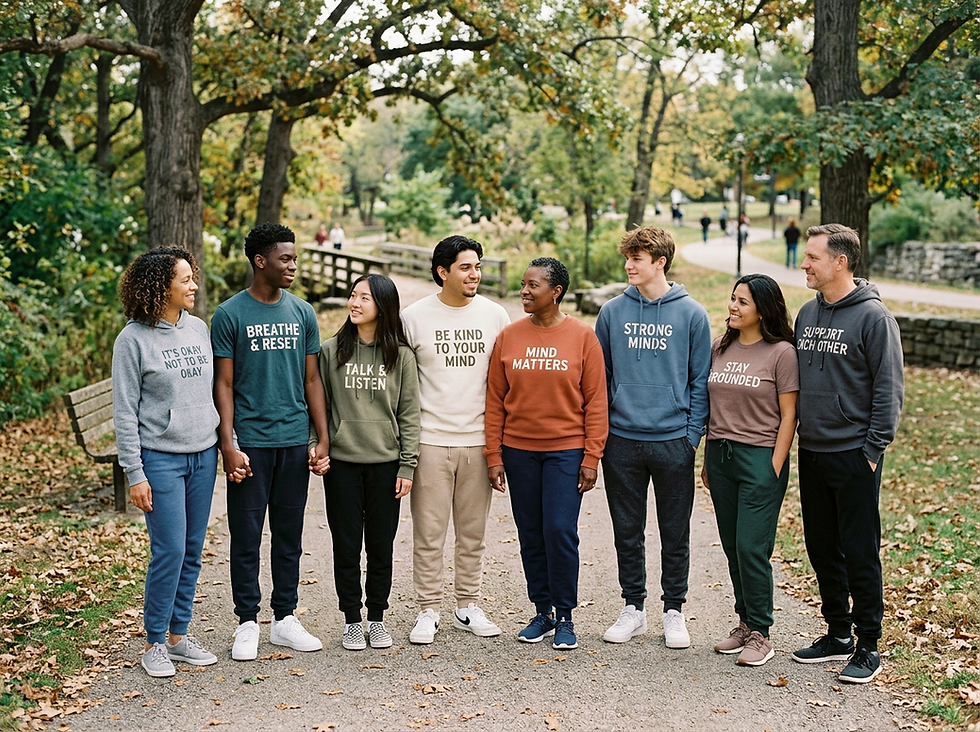
Healing Out Loud: Honoring Silent Battles and the Power of Our Stories|
Why Healing Out Loud Matters
Many people suffer in silence because they fear judgment, stigma, or simply don’t know how to express their pain. Healing out loud means breaking that silence. It means acknowledging our struggles openly and honestly, without shame or fear.
Speaking about our pain can:
Reduce feelings of isolation: When we share, we realize we are not alone.
Build connection: Our stories create empathy and understanding.
Empower ourselves: Owning our experiences helps reclaim control.
Encourage others: Our courage can inspire others to begin their own healing.
For example, consider someone recovering from addiction. When they share their journey publicly, they not only reinforce their own commitment to sobriety but also offer hope to others facing similar challenges.
Honoring Every Silent Battle
Not all battles are visible. Many people fight internal wars that others cannot see. These include anxiety, depression, grief, and trauma. Honoring these silent battles means recognizing their validity and impact.
Here are ways to honor silent battles:
Listen without judgment: Sometimes, people just need to be heard.
Validate feelings: Acknowledge that their pain is real and important.
Offer support: Help find resources or simply be present.
Respect privacy: Healing is personal; respect boundaries.
For instance, a friend struggling with depression might not want to talk all the time but knowing someone cares and respects their space can be a powerful form of support.
Showing Up for Ourselves and Each Other
Healing is not a solo journey. It requires community, compassion, and commitment. Showing up means being present, consistent, and willing to engage with the messy, difficult parts of healing.
Ways to show up include:
Creating safe spaces: Whether in groups or one-on-one, safe spaces encourage openness.
Practicing patience: Healing takes time and often involves setbacks.
Encouraging self-care: Support healthy habits that nurture mind and body.
Celebrating progress: Recognize small victories along the way.
For example, support groups for trauma survivors provide a structured environment where people can share and heal together, reinforcing the power of collective presence.
The Power of Our Stories
Our stories hold immense power. They shape how we understand ourselves and how others see us. Sharing stories of healing can:
Break stigma: Open conversations challenge harmful stereotypes.
Create awareness: Stories educate and inform others about different struggles.
Build resilience: Telling our story helps us process and integrate experiences.
Inspire change: Personal narratives can influence policies and social attitudes.
Consider the impact of memoirs or public talks where individuals share their mental health journeys. These stories often spark broader conversations and encourage systemic support.
Practical Steps to Begin Healing Out Loud
Starting to share your story or support others can feel daunting. Here are practical steps to begin:
Reflect on your story: Write down your experiences and feelings to clarify your thoughts.
Choose your audience: Start with trusted friends, family, or support groups.
Set boundaries: Decide what you feel comfortable sharing and what to keep private.
Use creative outlets: Art, music, or writing can be powerful ways to express healing.
Seek professional support: Therapists or counselors can guide you through the process.
Practice self-compassion: Be kind to yourself as you navigate this journey.
For example, journaling daily about your feelings can help you prepare to share your story with others when you feel ready.
Supporting Others in Their Healing Journey
If someone you know is healing out loud, your role can be crucial. Here’s how to support them effectively:
Listen actively: Give your full attention without interrupting.
Avoid giving unsolicited advice: Sometimes, people just need empathy, not solutions.
Encourage professional help: Gently suggest therapy or counseling if appropriate.
Check in regularly: Consistent support shows you care.
Respect their pace: Everyone heals differently; don’t rush or pressure them.
For instance, a colleague opening up about anxiety might appreciate a simple message of support rather than immediate problem-solving.
The Collective Impact of Healing Out Loud
When many people commit to healing out loud, the impact extends beyond individuals. It creates a culture where vulnerability is accepted and mental health is prioritized. This cultural shift can lead to:
Reduced stigma across communities
Better access to mental health resources
More inclusive workplaces and schools
Stronger social bonds
Communities that embrace open healing foster resilience and well-being for all members.
Healing out loud is a powerful act of courage and connection. By honoring silent battles and sharing our stories, we create a space where healing is visible, valued, and supported. Your story is a vital part of this movement. When you show up for yourself and others, you contribute to a world where no one has to suffer in silence.
Take the first step today—whether it’s sharing a small part of your story, listening to someone else, or simply acknowledging your own healing journey. Your presence is powerful, and your healing matters.
Healing Out Loud: Honoring Silent Battles and the Power of Our Stories


Comments